


Postgraduate Certificate in Academic Practice
Available: Part-time
NFQ Level: 9*
Duration: 1 year
Location: MIC Limerick/online
Delivery Mode:
Fully online/blended
Assessment:
This programme is assessed through a combination of reflective tasks, coursework and the creation (or updating) of a digital teaching and learning portfolio.
- Programme Overview
- Programme Content
- Entry Requirements
- How to Apply / Fees
- Ask a Question
Programme Overview
This Level 9 postgraduate qualification encourages and promotes best practice in higher education (HE) teaching, learning and assessment and empowers those who teach in HE to be responsive to the changing needs of the sector and broader society. It is designed for those who teach in HE, particularly those who are new to the sector or with limited experience of teaching and learning (approximately 5 years, or less). Given the applied nature of the programme, it is suited to those who are currently active in a role that involves teaching or supporting student learning in HE.
Key Features
Delivered flexibly (including online and blended offerings), this programme seeks to engage those who teach in higher education in an interactive and collaborative approach to enhancing academic practice which is grounded in evidence-based scholarly practice. The virtual learning environment (Moodle) is used to facilitate flexible engagement with the programme: module material is made available at the beginning of each week to enable asynchronous engagement with readings, recordings and online activities. Any synchronous (live) sessions are recorded and made available for those unable to attend, and peer and mentor meetings can be scheduled online or face-to-face at a mutually convenient time.
The programme is based on the specific professional experiences and interests of individuals who teach in Higher Education. In consultation with a mentor from the Learning Enhancement and Academic Development Centre (LEAD) and guided by scholarly literature, students will engage in an experiential academic practice cycle which involves periods of reflection on their existing academic practice context and personal professional development priorities, engagement with disciplinary literature in areas of professional interest, and the planning, implementation and evaluation of an evidence-based academic practice enhancement initiative.
Career Opportunities
The programme is aimed at those who currently have a teaching role in Higher Education, to be interpreted broadly as encompassing academic staff and professional services staff with a teaching element to their role. The programme thus offers a pathway to progression and further leadership opportunities within Higher Education academic practice.

An Enriching Student Experience
Typically, learners on the programme select a module or other academic practice context and plan, implement and evaluate an area of academic practice; previous enhancement initiatives include:
- Facilitating student engagement through the co-creation of learning
- Developing subject knowledge, language competence and reflective skills through the use of podcasting
- Student-generated video as authentic assessment
- Piloting a model of theological reflection
- Using formative feedback to improve student understanding of plagiarism and referencing
Learners document, evidence and reflect on the process of engaging in this experiential academic practice cycle through the creation (or updating) of a digital teaching and learning eportfolio. The eportfolio development process is supported through structured peer learning groups and regular engagement with a mentor, who is a member of the programme team. The eportfolio is developed and updated throughout the programme, and ensures that learners complete the programme with a comprehensive digital artefact which can be repurposed for other relevant audiences.
Embedding Universal Design for Learning
The programme is grounded in the principles of Universal Design for Learning (UDL): through the unique and innovative pedagogical design and approaches, learners can create their own individualised UDL learning experience which allows them to immerse themselves in the process with a view to designing a similar experience for their own student cohorts.
Since September 2022, the UDL Digital Badge is embedded in the first semester of the progamme, and learners are supported to develop their own capacity and competencies in UDL and inclusive academic practices. The programme team has undertaken an extensive mapping process against the principles and checkpoints of the UDL framework (developed by CAST) and regularly review the pedagogical approaches and use of the virtual learning environment to offer learners on the programme multiple means of engagement, representation and action and expression.
Student Profile & Perspective
The programme offers an accredited professional development pathway for those who teach in Higher Education, including:
- Academic staff across disciplines
- Educational/learning technologists
- Educational/academic developers
- Research staff
- Library staff
- Support staff
This programme is offered in an online and blended format, thus offering maximum flexibility to students. It is designed to be strongly embedded in practice and therefore complement existing practices and priorities.

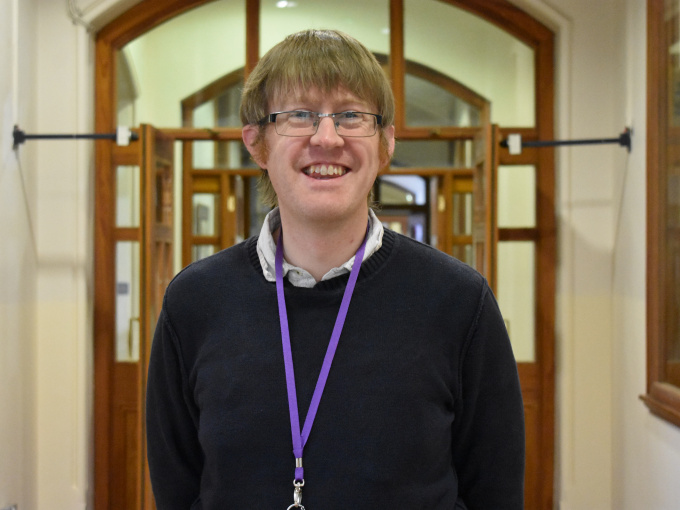
Dr Marc Scully, Lecturer in Psychology
I had begun a Postgraduate Certificate in Academic Practice while in a previous lecturing post in England, but had not completed it due to moving home to Ireland. I had always somewhat regretted leaving that course unfinished, so I was delighted to have the opportunity to transfer credits from my previous study to complete my qualification at MIC.
The programme of study is carefully designed so as to be relevant to contemporary academic concerns, but sufficiently flexible so that it can be applied to different disciplines and different forms of teaching.
Similarly, the portfolio model of assessment allows you to prioritise what you feel is important in demonstrating how your professional development and pedagogical approach has progressed over the course of the programme. The action plan element of the portfolio was particularly useful: it provided me with the structure and the resources to develop a new video-based assessment for my third year Applied Social Psychology module. This proved a far more successful and authentic way of assessing their learning on the module, as well as being more enjoyable for the students.
The guidance and support from the programme coordinators is excellent: they understand the vagaries and unpredictability of academic life.
I would recommend the programme for anyone involved in third-level teaching seeking new, timetable-friendly ways to reflect on and develop their practice.
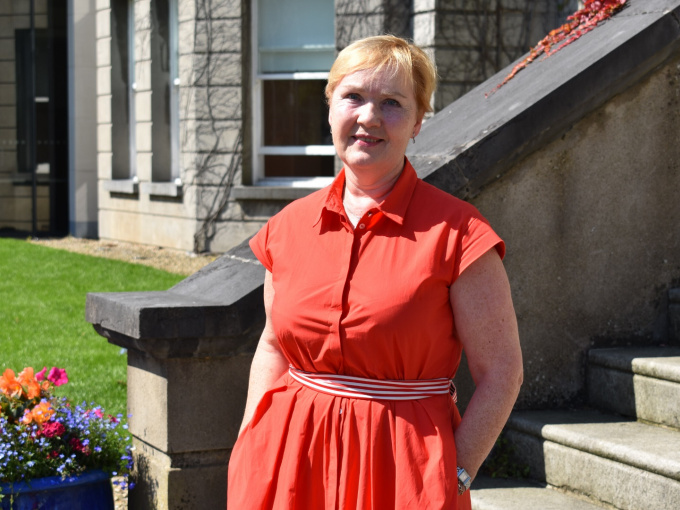
Dr Mary Moloney, Lecturer in Early Childhood Care and Education
You might ask, why a lecturer with fifteen years’ experience undertook a Postgraduate Certificate in Academic Practice. Let me tell you, that doing this programme was one of the best decisions in my career to date. It has transformed how I think about and approach my work. It has sharpened me in every way; my thinking, my knowledge base, my interactions with colleagues and students, my pedagogical approaches, my confidence, and my absolute dedication to what I do.
For me, it was a journey of self-discovery. Through my own unique learning journey, and with the support of a personal mentor and a peer group, I discovered why I do what I do. Engaging with the literature on the scholarship of teaching and learning, gathering evidence, undertaking research, engaging in exciting professional discussions with other colleagues on the programme, reignited my passion for teaching, and my thirst for knowledge.
There is nothing quite like the satisfaction of developing and completing a dynamic professional development e-portfolio. It captures your learning throughout the programme, taking you to places in your thinking that you never thought possible. My e-portfolio is my ‘go to’ reading now, both in terms of reminding me of my professional journey, aiding my reflections and as I add new learning from time to time.
Because of the PCAP programme, I can honestly say, I am more attuned to the critical importance of classroom climate, and how it supports or impedes student engagement. I am a better teacher.
Contact
Dr Laura Costelloe
Assistant Professor in Academic Practice and Programme Co-ordinator, Postgraduate Certificate in Academic Practice
Learning Enhancement and Academic Development Centre (LEAD)
NFQ Levels
*Postgraduate Certificates are Level 9 Minor Awards, Postgraduate Diplomas and Masters are Level 9 Major Awards and PhDs are Level 10 Major Awards on the National Framework of Qualifications (NFQ), awarded by the University of Limerick.
- Programme Overview
- Programme Content
- Entry Requirements
- How to Apply / Fees
- Ask a Question

