

Sowing the Seeds of Sustainability
Sowing the Seeds of Sustainability
| Lecturer - Dr Jennifer Pope |
|---|
| Discipline - Child health & wellbeing, Early Childhood Care & Education (ECCE) |
| Subject - Foundation Studies in ECCE/Child health & wellbeing 1 |
| Level - BA Degree Level 8, year 1 |
| Class Size - 93 Students |
| Mode of Delivery - In-Person |
Through a series of practical demonstrations and hands-on collaborative workshop activities, the aim was to foster a sense of sustainable responsibility in practice with first year BA Early Childhood Care & Education (ECCE) undergraduate students. The primary objectives were to identify practical strategies to address the sustainable development goals (SDGs) and nurture positive dispositions when working with young children (Breatnach, Moloney & Pope, 2021). This links directly to Aistear, the Early Childhood Curriculum Framework in Ireland (Government of Ireland, 2024) which views our youngest children as agentic global citizens. By working together, adopting more sustainable approaches with more natural, open-ended resources and considering ethical dilemmas in practice, the benefits were manifold. The students reported how this approach helped them to communicate with and get to know other students, to think more about sustainability in practice and aided their memory of key content the following semester.
Rationale
The pedagogical predicament to initiate this case study was: how could more practical links be made to the SDGs to promote sustainable responsibility in Year 1 undergraduates prior to professional practice placement with young children?
What is sustainable responsibility? The Sustainable Directory (2024) notes that ‘sustainable responsibility, in its simplest form, is about acting today in ways that safeguard tomorrow’s possibilities. …For beginners, sustainable responsibility is about making conscious choices that benefit both people and the planet, ensuring a healthy future for all.’
Across two year 1, Autum semester modules on the BA ECCE Programme, namely the Foundation Studies in ECCE and the Child Health & Wellbeing 1 modules, many of the Sustainable Development Goals (SDGs) are implicit and module contents are underpinned by children’s rights (Moloney, Skehill & Pope, 2025). Key aspects within both of these modules explore the role of the outdoors for young children’s development (Pope et al. 2021) and consider what constitutes quality learning experiences for young children.
More specifically, some of the SDGs addressed include:
- Goal 3: Ensure healthy lives and promote well-being for all at all ages
- Goal 2: Zero Hunger- End hunger, achieve food security and improved nutrition and promote sustainable agriculture;
- Goal 4: Quality Education;
- Goal 11: Make cities and human settlements inclusive, safe, resilient and sustainable;
- Goal 13: Climate Action;
- Goal 15: Life on Land.
While students had some prior knowledge of SDGs, the aim of the practical hands-on sessions was to consider more sustainable approaches in practice when working with young children.
Why is it important to nurture sustainable responsibility?
Through active learning experiences, students considered their own sense of sustainable responsibility and learned how to nurture these values when working with very young children. By embedding children’s rights in alignment with the SDGs, this approach lays solid foundations in the earliest years, promoting Aistear’s view of the young child as an agentic global citizen (Government of Ireland, 2024). This should be further cultivated in primary and post primary education, creating an upward spiral whereby today’s youngest global citizens will be the third level students of the future, perpetuating a continuous cycle of sustainable responsibility.
Description of the Teaching and Learning Approach
Aistear (Government of Ireland, 2024) also views educators as agentic and reflective, able to make informed and responsible decisions. It is important therefore that from year 1 of this professional early childhood programme that the capacity to make sustainably responsible decisions is nurtured.
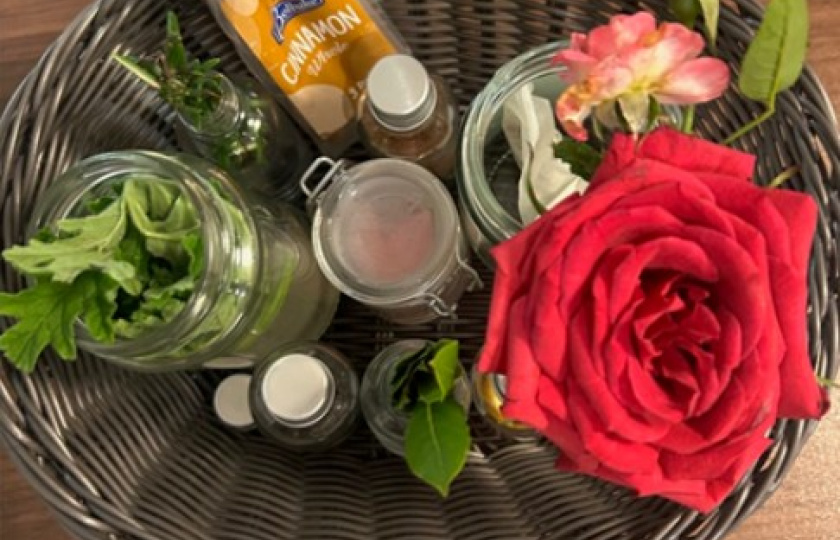
Open-ended workshops were designed to nurture creativity and address sustainable dilemmas through hands-on, tactile experiences with natural materials. Meaningful, hands on, collaborative activities provided opportunities to embed theory into practice and tease out real life challenges. This is imperative for a professional programme. Anecdotally, graduates will often say ‘I remember when we did this…’. Hands on learning is also a core principle of Aistear- the Early Childhood Curriculum Framework so, this principle was modelled for students in practice. Natural materials and resources were used as much as possible (e.g. sensory edible herbs and flowers) and the workshop materials involved recycling or upcycling previous resources in line with the seasons.
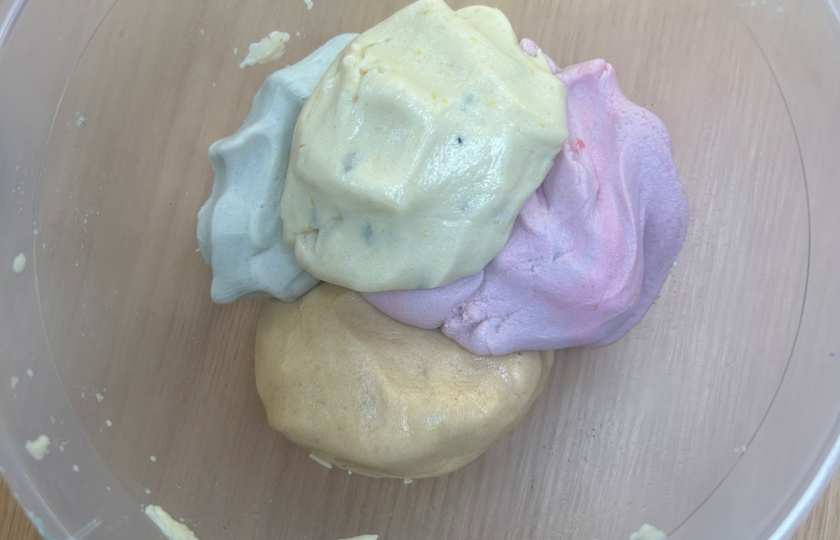
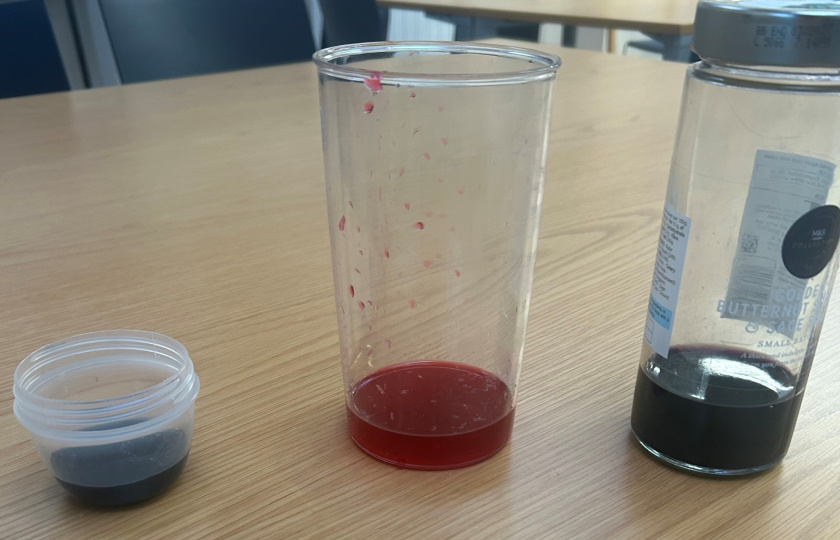
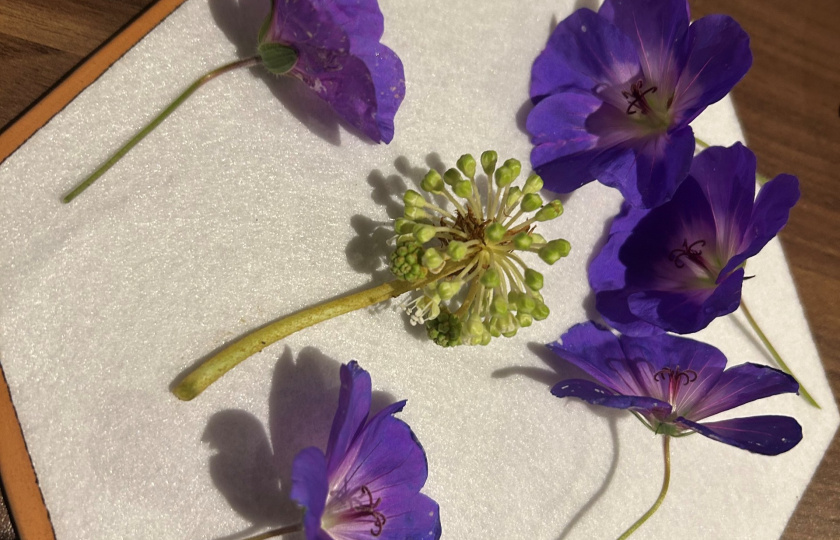
The following list and images give an overview of the learning experiences:
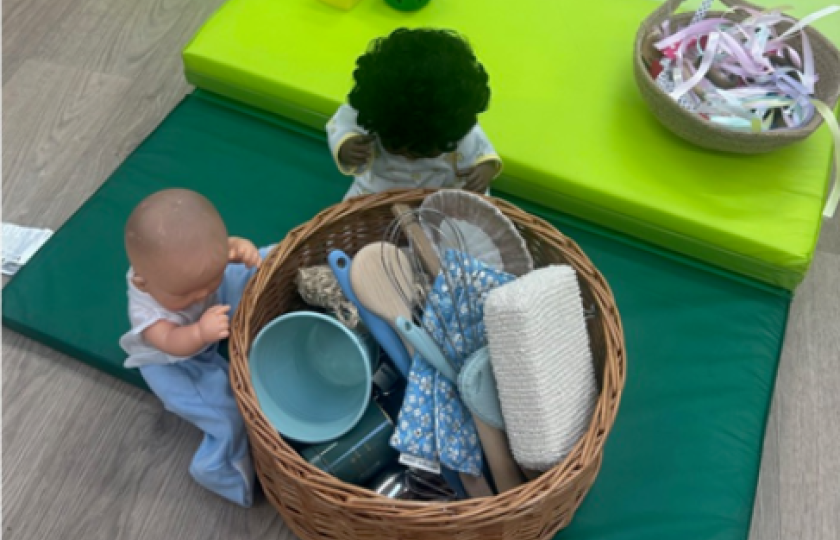
- sensory jars and baskets,
- making homemade playdough with sensory materials,
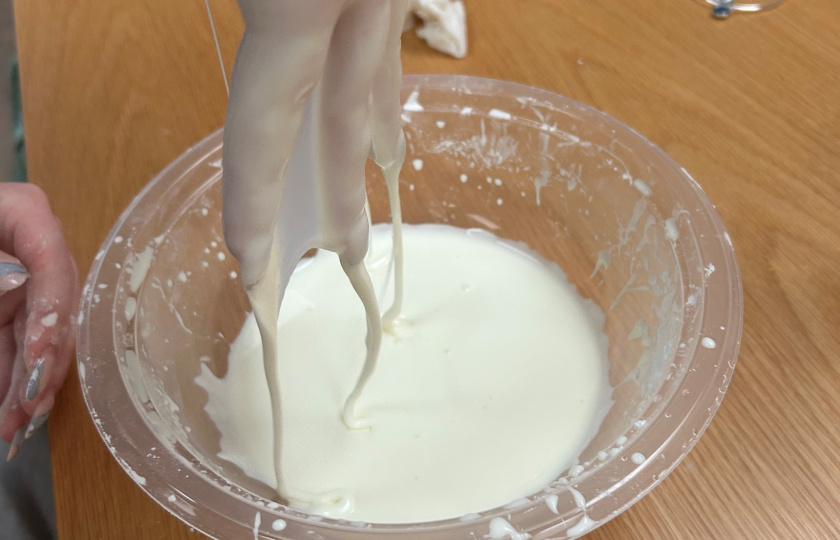
- making gloop (cornflour & water),
- experimenting with natural dyes (red cabbage etc.),
- making homemade edible sustainable glue,
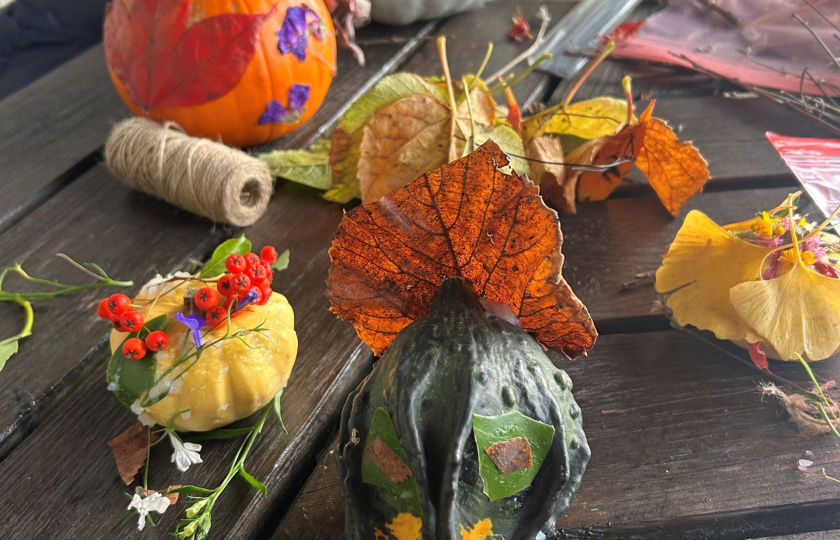
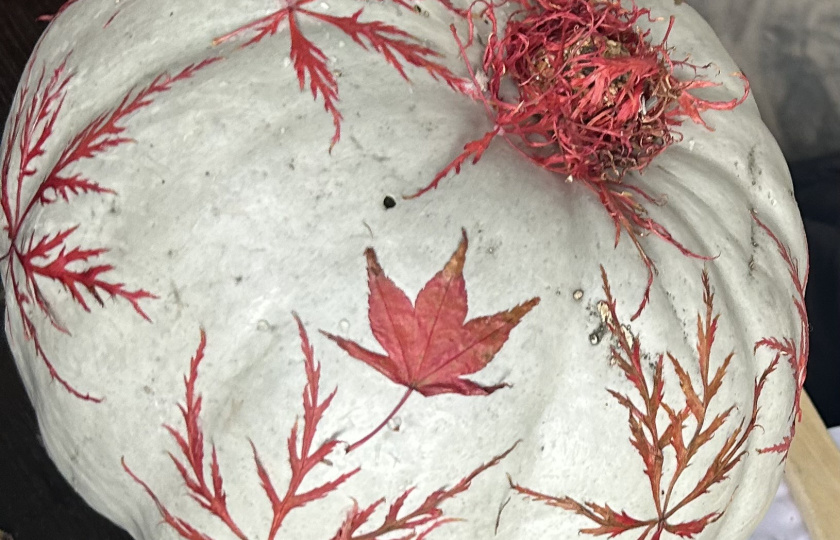
- decorating locally sourced pumpkins with natural and edible materials,
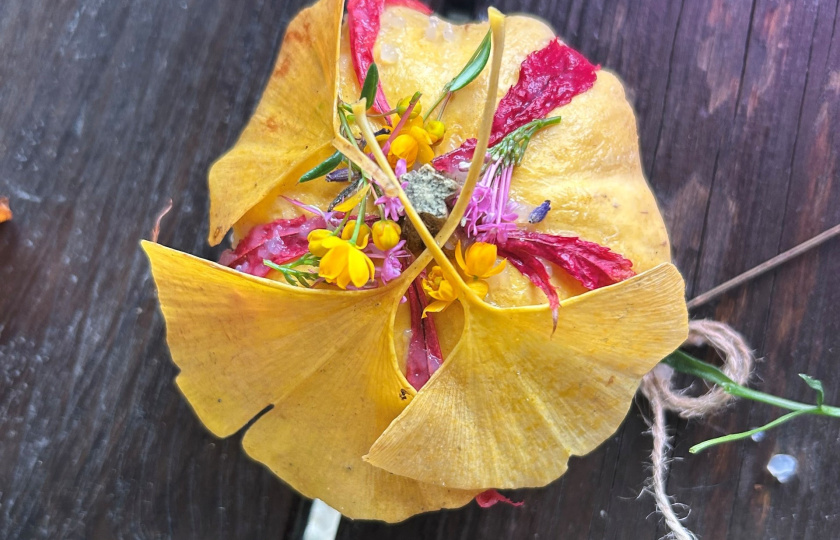
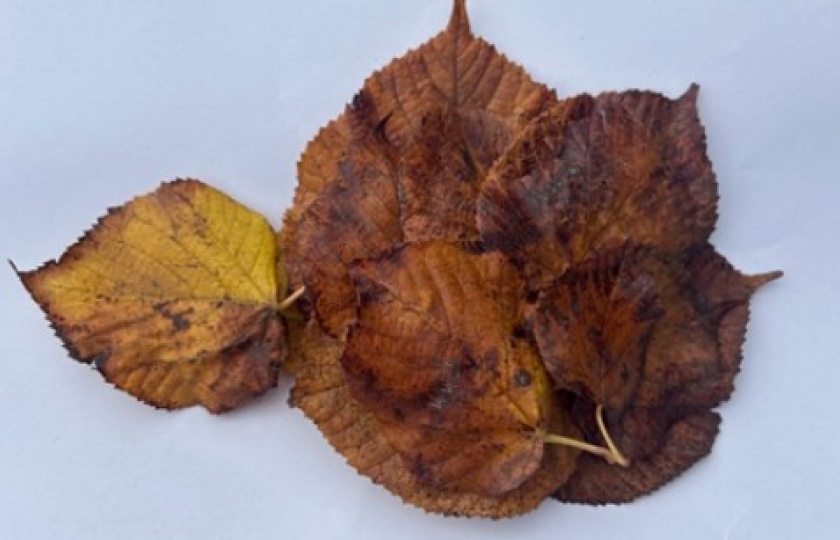
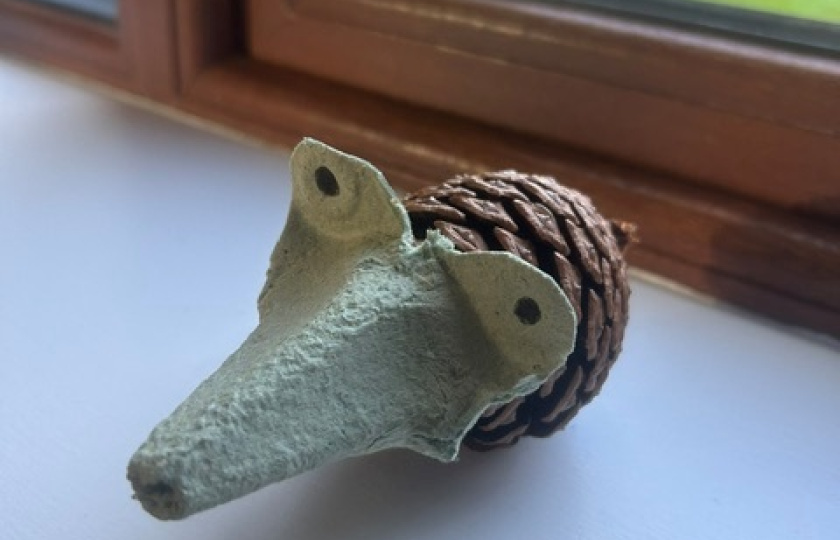
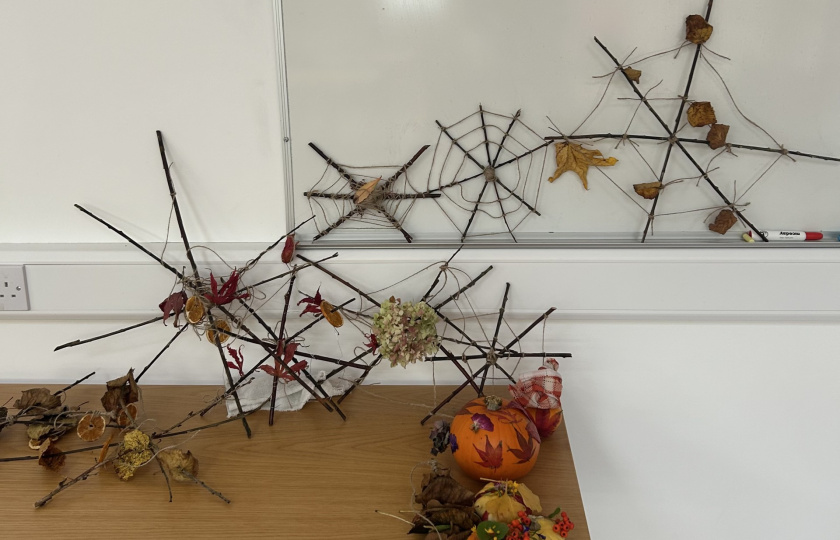
- autumnal decorations with natural resources,
- collective wreath making
- winter decorations with natural resources,
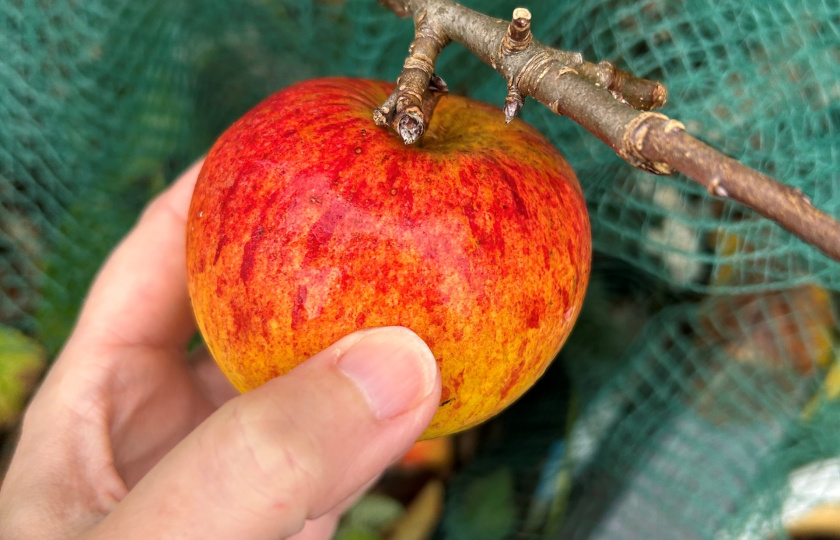
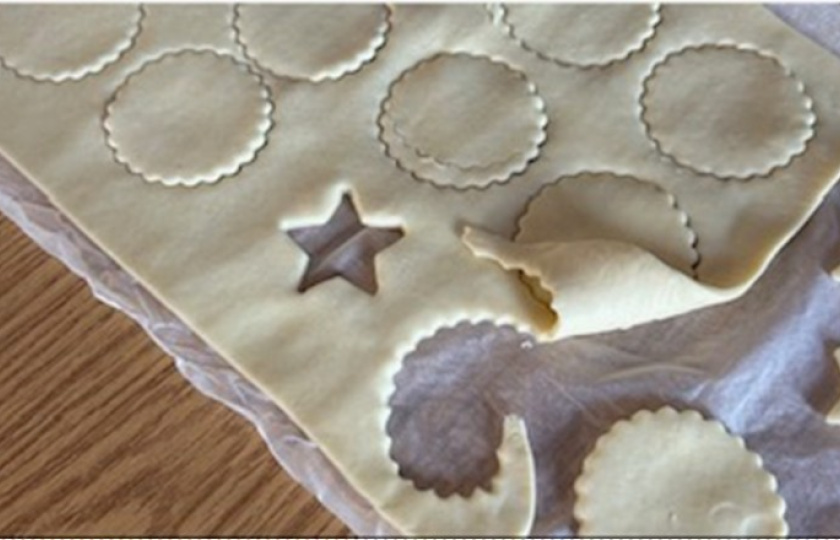
- apples, pastry and apple tarts,
- planting garlic and cabbage.
In gallery two, there are examples of homemade playdough, red cabbage dye, flower pressing, gloop mix, creative art with sticks and leaves and pretend play characters.
Seasonal sustainable learning opportunities for young children were considered. For example, the process of children growing fruit and vegetables. At this time of year, I had apples growing, so we demonstrated the learning potential in collecting the apples and preparing them, washing and chopping them, making pastry and producing apple pies. We discussed how making and manipulating the pastry provided more sustainable, meaningful (but still playful) opportunities for young children than using shop bought playdough. To ensure inclusivity, gluten free flour was used so that students with coeliac disease could still participate.
We also looked at the process of growing pumpkins with local examples that we decorated with leaves and homemade glue that was all fully compostable or bird friendly. Keeping the pumpkins intact was an inclusive and safe approach due to allergies to seeds within the group.
This Gallery three shows the process of making apples pies and cabbage and garlic prior to planting
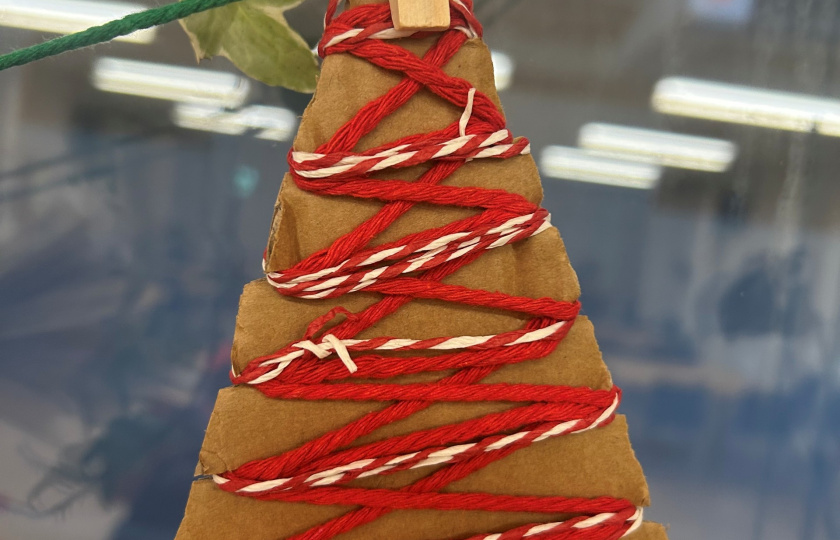
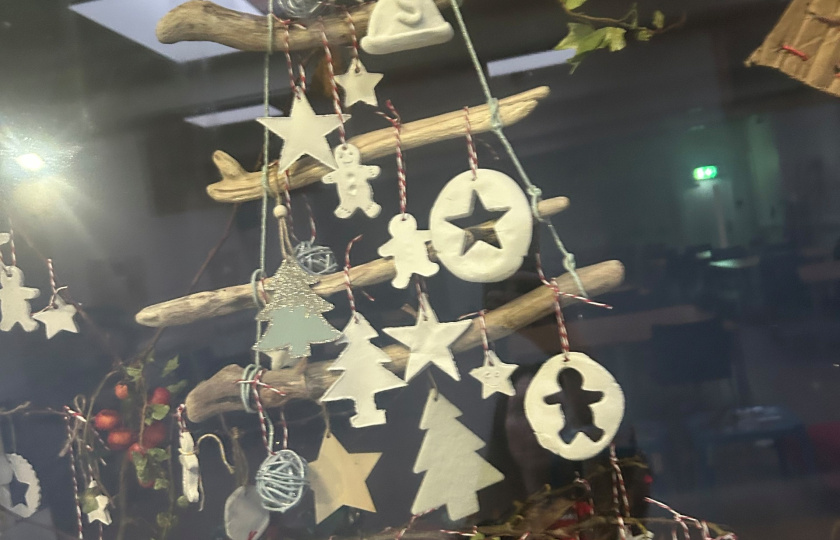
Autumnal decorations were re-used and developed for Thanksgiving and Christmas to demonstrate sustainable activities with children (gallery four). There was a focus on keeping in rhythm with nature, using resources that were currently available in creative ways. In line with Aistear’s theme of exploring and thinking, there was lots of collaborative trial and error testing homemade glues, dyes and clays. The emphasis throughout was on the creative and experimental processes rather than generating identical final products. This prompted reflective discussions on suitable creative but sustainable experiences for young children.
For some of the workshops, we moved the class outdoors within the MIC campus (picnic tables in the Quad etc.) to promote engagement with natural resources and facilitate potential mess making with leaves and sticks etc.

What Worked And Why?
Teaching and learning was enhanced through the active participation of students involving hands on, practical activities that related theory to practice. Throughout different contexts within the workshops, nurturing sustainable choices was key and there were plenty of opportunities for discussion and reflection on sustainable responsibility in practice, including tensions or dilemmas such as, the use of food sources for play. Students reported that the hands-on activities were enjoyable, got them working together, considering children’s perspectives and thinking a lot more about sustainable practices.
Consistency in approach
Throughout the modules and within the assessment process, students were consistently prompted to reflect on learning experiences for children and ask the fundamental question ‘is this sustainable?’
Capacity Building & Advocacy
Working in collaborative, creative groups also promoted a sense of identity and belonging within the class. This was evident through student evaluations and final reflections on the module. Based on their shared insights, it was evident that students enjoyed working together and getting to know each other in this more informal forum. As part of their assessment for the module, working in groups, students designed and presented learning experiences for young children addressing sustainability as a core criterion.
To promote advocacy and visibility, this culminated with a collectively decorated Christmas window in the Early Childhood Practice room. Furthermore, a webpage (using SWAY https://sway.cloud.microsoft/…) combined with a newsletter initiative facilitated sharing these core messages with the wider MIC college community. While this did not form part of the module assessment, it allowed for more informal engagement in the process. In their final reflective pieces, some students did mention it as significant in enhancing their learning.
Student collaboration
The students were fantastic to participate and get involved which facilitated the preparation, the process and the clean-up afterwards. Based on student feedback, this approach also aided them to get to know each other as they worked together in this informal manner.
Any Problems or Issues That Arose From This Approach?
Time was a consideration.
It took considerable time to prepare for the workshops. Natural resources not available within the college had to be sourced and some required cooking in advance e.g. sustainable glue, boiled cabbage for natural dye. As the same lecturer delivered both modules with the students, different workshops required preparation within the same weeks which was a bit pressurised.
Engagement
Some students were slower to engage than others however, in the final reflections, the overall sense was overwhelmingly positive with students identifying key learning within the area of sustainability through the hands-on activities throughout the semester. Many students mentioned how they were looking forward to implementing this sustainable philosophy in practice.
Logistics
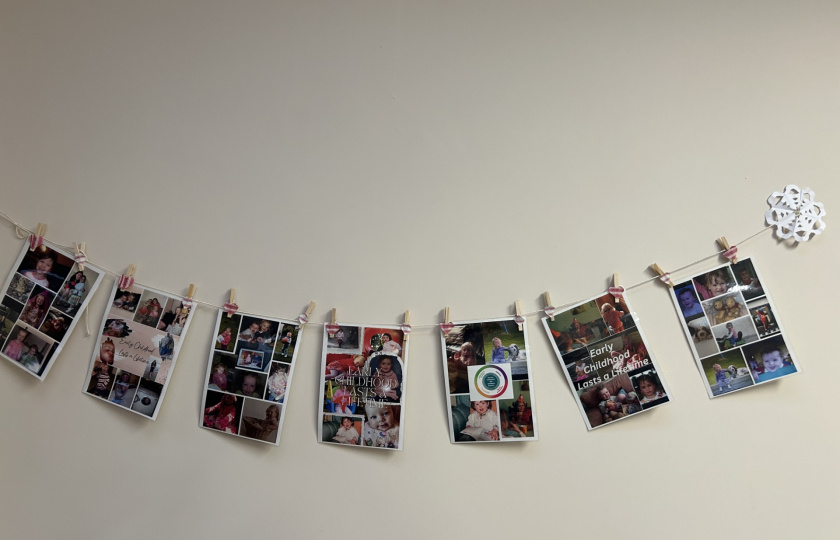
The class was a relatively large class with one lecturer (1:90) so many resources, significant planning and a flexible approach were required. To facilitate this process, at times initial demonstrations were provided for the full group. Then, students mainly worked in smaller groups, utilising outdoor spaces within the college campus. They were encouraged to pool resources and work autonomously in their small groups. Students were involved in displaying samples of their work and collaboratively, we documented the processes involved with photos, collages, videos and reflective voice memos. This facilitated sharing of key learning from smaller groups to the full class, reinforcing and consolidating the core concepts each week.
Tips for Implementation
Consider the following:
- Ask yourself, are there opportunities to promote sustainable responsibility, to model good practice and to reflect on same whenever possible (at practical and/or a theoretical level)?
- Nurture a participatory approach. Can students be involved in the planning and preparation process? Many students are well-versed on the SDGs and already sustainably responsible, so can their insights inform you and others?
- Are there opportunities within your classes for students to be outdoors instead of indoors sitting down? With a large number, logistically, this could require rotation in smaller groups.
- Could you include a sustainable lens as part of assessment, prompting links to SDGs?
- Promote student collaboration and engagement and trust the process!
These collaborative experiences for large numbers of students did require significant planning and preparation. Sourcing and transporting materials was onerous at times. However, based on the multitude of benefits that students outlined in their final reflections, it was all worth it!
In hindsight, the students could be encouraged more to source further natural resources themselves as part of the sustainable process.
In the near future, more long-term resources are being put in place to support and extend student participation through the use of more sustainable resources to raise further awareness of SDGs.There are plans to source further resources to facilitate greater engagement with planting and outdoor experiences on site. This will include sustainable raised beds, peat free compost and edible flowers, fruit and vegetables (easy growing, low maintenance, cost and sustainable perennials e.g. Rhubarb). Engaging directly in growing is a valuable learning endeavour for ECCE students which relates directly to their professional development (Pope & Moloney, 2023). Natural resources such as sensory edible flowers can also be used for sustainable activities with children. These resources and key learning can be shared across the wider college community.
Breatnach, D. Moloney, M. and Pope, J. (2021) Early beginnings: Fostering positive dispositions towards climate education in early years classrooms. In Dolan, A. (ed) Teaching Climate Change in Primary Schools: An Interdisciplinary approach. Routledge.
Government of Ireland (2024) Aistear, the Early Childhood Curriculum Framework in Ireland https://curriculumonline.ie/getmedia/1e9e4eff-5d44-4950-bfa6-a28f43895d3f/Aistear-FW-ENG.pdf
Moloney, M. Skehill, S. and Pope, J. (2025) Babies’ and Toddlers’ Rights in Practice. Boru Press.
Pope, J. and Moloney, M. (2023) What a wonderful world: How Inquiry-Based Learning Nurtures Positive Dispositions Towards Learning about the Environment in the Early Years, ChildLinks - Environmental Sustainability in Early Childhood Education and Care (Issue 1, May 2023 p32-36) Barnardos. DOI https://hdl.handle.net/20.500.13085/1235
Pope, J., Egan, S. and Hillard, E. (2021) The Great Outdoors: A Bioecological Systems Approach to Outdoor Play, in Leavy, A. & Nohilly, M. (eds) Perspectives on Childhood, Cambridge Publishing.
United Nations. (2015). Transforming our world: The 2030 agenda for sustainable development. United Nations. https://sdgs.un.org/2030agenda
https://esg.sustainability-directory.com/term/sustainable-responsibility
- Sowing the Seeds of Sustainability