

Academic Integrity
Academic integrity means being honest, fair, and responsible in your academic work. It involves producing your own original work, acknowledging the sources of ideas you use, and following MIC rules and expectations. More than just following guidelines, academic integrity reflects your personal values and shapes your learning experience.

By acting with integrity, you demonstrate respect for yourself, your lecturers, and your peers. You also build habits that support genuine learning, critical thinking, and ethical development - skills that are essential both during your studies and in your future profession.
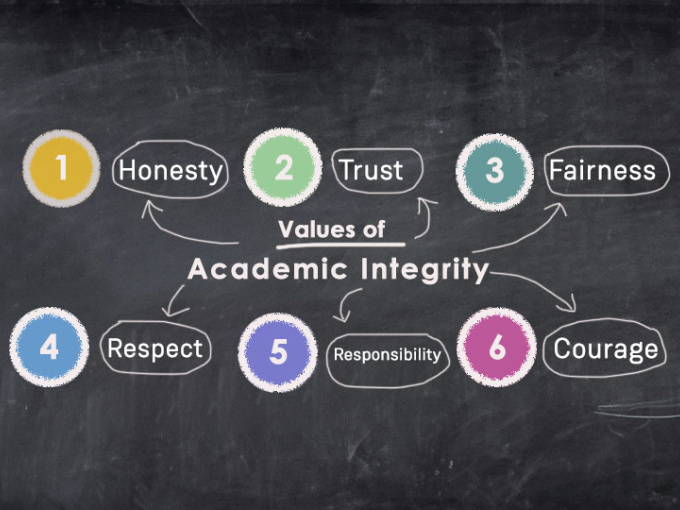
The Six Fundamental Values of Academic Integrity
Academic integrity is underpinned by six core values developed by the International Centre for Academic Integrity (ICAI). These values help guide your academic and personal conduct:
- Honesty - Always tell the truth about your work, effort, and use of sources.
- Trust - Build confidence with others by being reliable and ethical.
- Fairness - Follow the same rules as everyone else to ensure equity.
- Respect - Acknowledge and value the ideas and contributions of others.
- Responsibility - Own your actions and actively support academic standards.
- Courage - Do the right thing, even when it’s difficult or unpopular.
These values are about developing the habits of a responsible and reflective learner, and will help you to avoid academic misconduct.