


MIC Through an International Student's Eyes
When you move to a new country to study, you begin to notice things that others might barely think about. A familiar campus, a welcoming conversation or knowing where to turn for help can mean much more than it first appears. Before studying abroad, it is easy to focus on the big things: the academic programme, the qualification and the opportunities that come with living in another country. Yet, once you arrive, you discover that your experience is also shaped by much smaller details.
As an international student at MIC, I have come to appreciate how everyday moments can influence the way we experience university life. Things that may seem ordinary to local students can feel particularly meaningful to someone adapting to a new country. They remind me that a college is more than a place to earn a degree; it is also a place to learn, grow and gradually find your place in a community.
More Than Just a Campus
 More Than Just a Campus
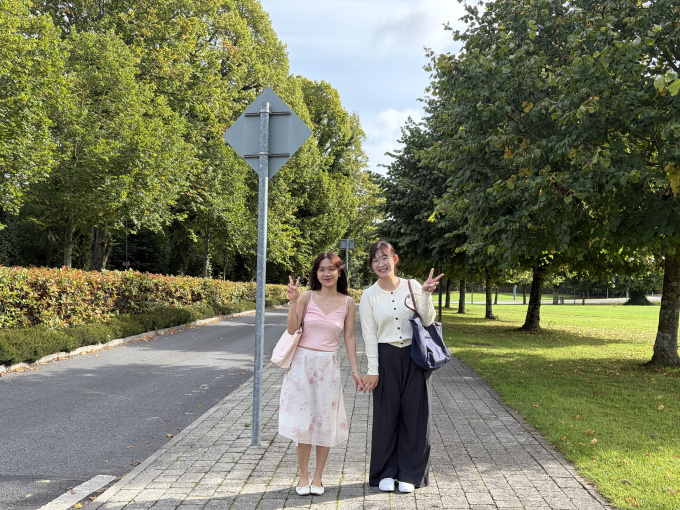
For many students, walking across campus is simply part of their daily routine. They know where their lectures take place, where to sit between classes and which route to take when they are running late. Over time, these details become so familiar that they may go unnoticed. However, for an international student, arriving at a new college can make even the most ordinary surroundings feel significant.
Moving abroad means adjusting to a different environment, from the academic schedule to the rhythm of everyday life. At first, everything can feel unfamiliar. Gradually, familiar buildings, quiet corners and the walk to class become part of a new routine. The campus begins to feel less like an unfamiliar place and more like somewhere you belong.
This is one of the things I find meaningful about studying abroad: discovering that a sense of belonging can grow through familiarity. A campus is not simply a collection of buildings and facilities. It is where everyday experiences take place, where friendships begin and where memories gradually accumulate.
Learning is More Than Attending Lectures
 Learning is More Than Attending Lectures
University is about more than assignments, deadlines and examinations. It is also an opportunity to encounter new ideas, exchange perspectives and reconsider what we think we already know. For an international student, studying in a different academic environment can offer a particularly valuable opportunity to reflect on familiar subjects from a new perspective.
Learning happens through the questions we ask, the discussions we take part in and the ideas we encounter through other people. A comment from a classmate or a different interpretation of a topic can encourage us to think beyond our own experiences. These moments show that education is not simply about receiving information; it is also about questioning, discussing and applying what we learn.
The opportunity to engage with lecturers and classmates can make this process even more valuable. Asking questions, clarifying ideas and exchanging views can help students become more confident in their learning. Over time, we may find ourselves approaching challenges differently, not because we have memorised more information, but because we have learned to see things from multiple perspectives.
For prospective students, I think it is important to consider not only what a programme teaches but also how it might change the way you think. Sometimes, the most valuable lesson is a new perspective that stays with you long after a lecture has ended.
Finding a Sense of Belonging
 Finding a Sense of Belonging
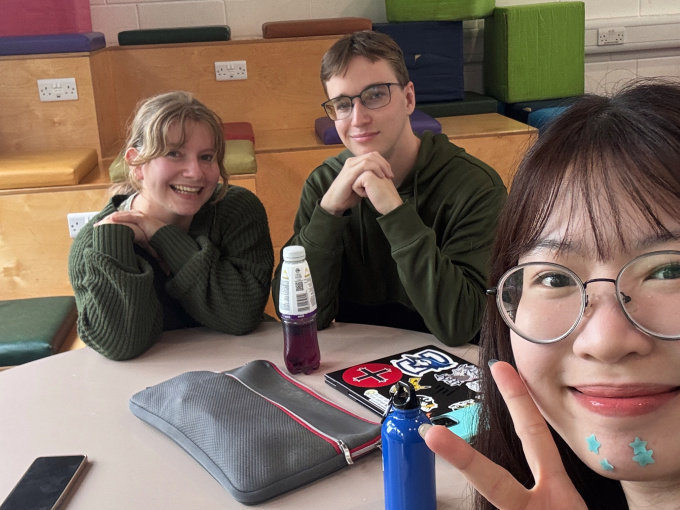
Perhaps one of the most meaningful parts of studying abroad is discovering that a sense of belonging often develops through ordinary moments. We might imagine university life as a series of exciting events and new experiences, but connection is also built through small interactions: a conversation before a lecture, a shared laugh or recognising a familiar face on campus.
For international students, these moments can make a new environment feel more comfortable. Building friendships and becoming part of a community takes time, particularly when we are learning to navigate unfamiliar social and cultural settings. There may be moments when we miss home or compare our new surroundings with the places we know best. That is a natural part of adjusting to change.
Belonging does not mean leaving our backgrounds behind. Instead, it can mean bringing our own experiences and perspectives into a new community while learning from the people around us. Meeting people with different stories and viewpoints can broaden our understanding of the world and help us appreciate experiences beyond our own.
Sometimes, it is the smallest interactions that make the biggest difference. A brief conversation may not seem particularly memorable at the time, but repeated moments of connection can gradually turn an unfamiliar place into somewhere that feels more personal.
Appreciating the Little Things
 Appreciating the Little Things
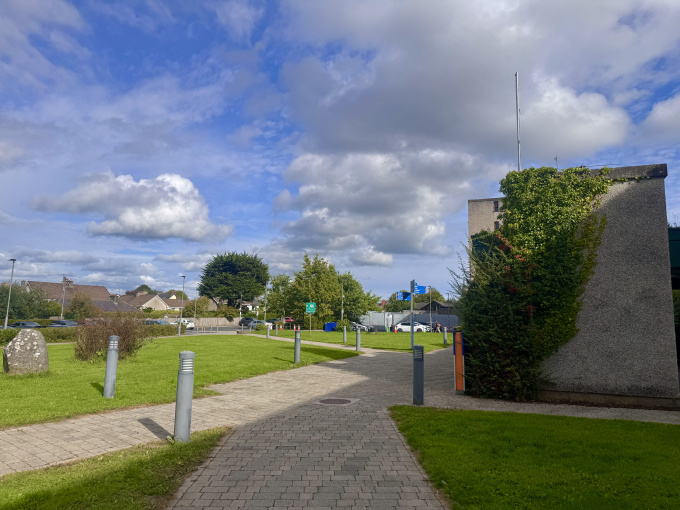
Looking at MIC through an international student’s eyes has reminded me that the value of a college cannot be measured only by its academic programmes, facilities or formal achievements. These are important, but the student experience is also shaped by everyday details: the familiarity of a daily routine, the opportunity to ask a question, a conversation that introduces a new perspective or a small interaction that makes an unfamiliar place feel more welcoming.
For prospective students considering MIC, I would encourage you to look beyond the major milestones and imagine the everyday experience of studying there. Think about the places where you might learn, the people you might meet and the connections you might build along the way.
Sometimes, it takes seeing a familiar place through a different perspective to recognise its value. What may seem ordinary to one student can become a meaningful part of another student’s journey. And perhaps that is one of the most valuable things about studying abroad: discovering that while you travel to a new place to learn, you also learn to see everyday life in an entirely new way.
Ngoc Anh Nguyen, Vietnam

